

“Most afternoons, I’d find myself sitting at my desk in Central, staring at my monitors and rolling my neck,” a patient named Mark shared with me. “I’d hear that awful crunching sound and just pray for 6:00 PM to arrive. I stretch every morning, and I swallowed two painkillers after lunch just to get through my meetings. But like clockwork, that heavy ache at the base of my skull kept coming back, bringing brain fog and total exhaustion along with it.”
When Mark told me his story, I recognized a pattern we see every day across Hong Kong. Busy professionals, parents, and active adults get stuck in the same cycle: feel pain, stretch, take a pill, get temporary relief, and watch the pain return a few days later.
What Mark eventually learned is simple: stretching and pills only focus on tight muscles. They completely ignore the boss that controls those muscles: your brain and nervous system.
Why This Matters: The Brain-Nervous System Connection Behind Pain
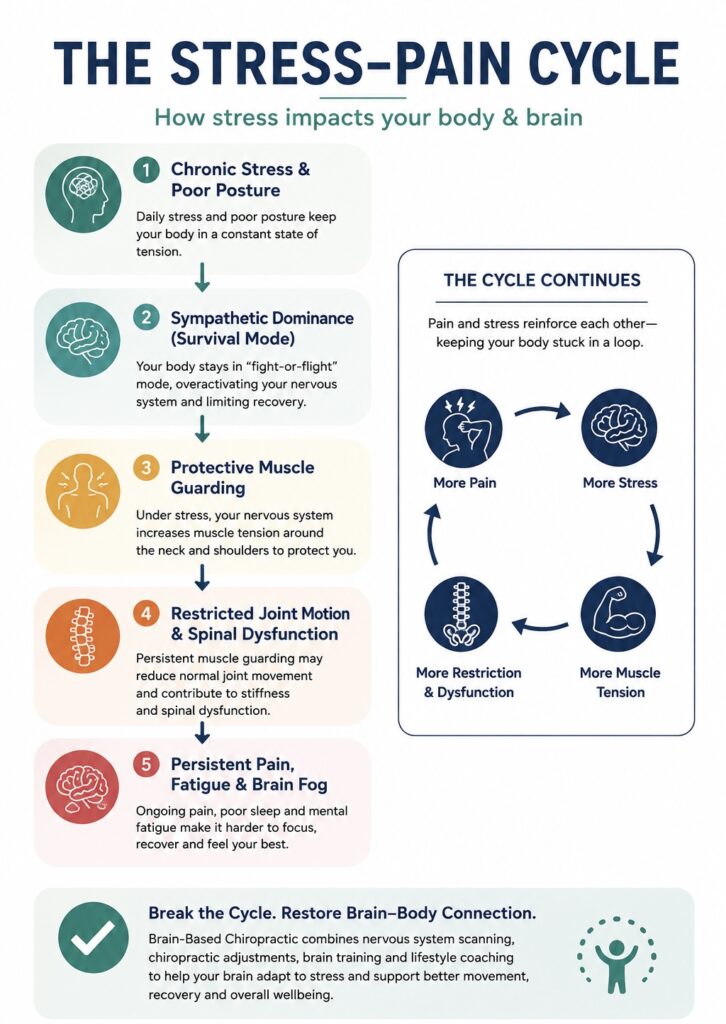
When Mark first came in, he thought his neck muscles were just stubborn. But muscles don’t just tighten up on their own. They tighten because your brain tells them to.
Think about your daily life: long working hours, tight deadlines, poor sleep, and hours spent staring at screens. Your body senses all this stress and goes into “fight-or-flight” mode. To protect your body from perceived danger, your brain commands your neck and shoulder muscles to clamp down like a shield.
What We Look At During a Comprehensive Evaluation
If you’ve decided that repeatedly stretching and waiting for the next flare-up isn’t working, an assessment can be much more useful when you know your own history.
You don’t need a thick medical file.
But if you have relevant information, bring it.
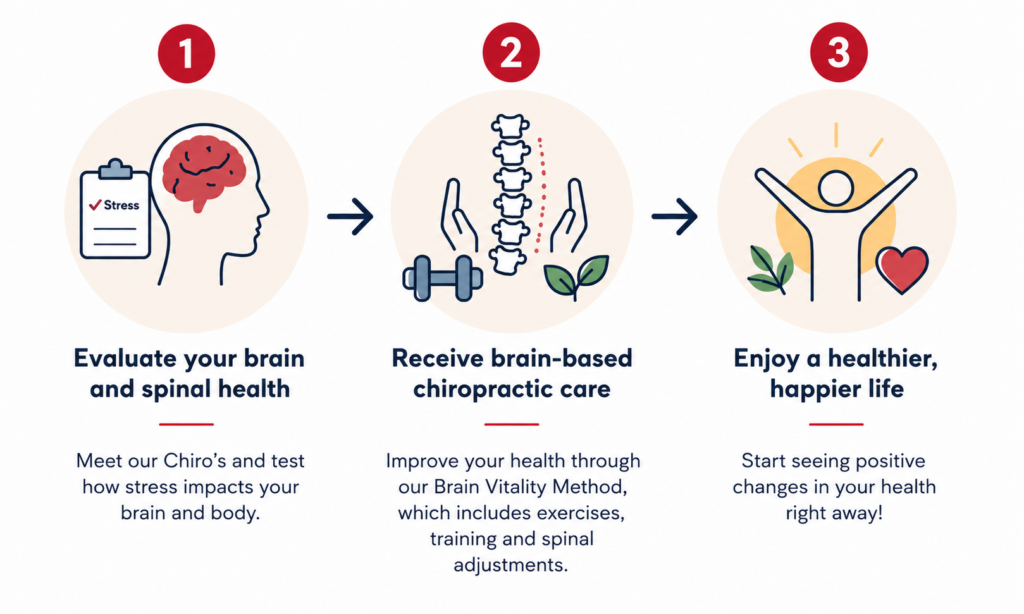
To better understand the cause of your symptoms, we look at a few key records and assessments:
- Health & Lifestyle History: Your past injuries, sleep, stress, and neck pain history.
- Nervous System Scans: Simple, non-invasive scans that help identify areas of tension and stress.
- Posture Photos: Images that help assess your posture, such as forward head position or uneven shoulders.
- X-Rays or MRI Reports (if needed): We may review existing imaging to assess your spine, joints, and discs.
- Progress Reports: Easy-to-understand comparisons that track changes in your posture, movement, and overall progress.
How Can the Process Work in Hong Kong?
If you’ve never visited a chiropractor before, you might wonder how it all works or if you need a doctor’s referral first. In Hong Kong, the process is simple.
The Regulatory Setup
In Hong Kong, chiropractic care is regulated by the Chiropractors Council under the Chiropractors Registration Ordinance. You generally do not need a GP referral to make an appointment. During your visit, your nervous system, spine, and musculoskeletal health can be assessed, and you may be referred to another healthcare professional if appropriate.
What Mistakes to Avoid When Managing Recurring Pain
When you’re dealing with recurring neck pain, it’s easy to fall into habits that give short-term comfort but slow down your actual recovery. Here are a few common mistakes to avoid:
- Relying on Self-Medication: Taking over-the-counter painkillers every week masks your symptoms while the underlying spinal issue slowly gets worse. Always speak with a healthcare professional or pharmacist regarding medication use, and avoid self-prescribing.
- Forcing Painful Stretches: Never force your neck into deep stretches if you feel sharp, burning, or tingling sensations going down your arm. This can irritate sensitive nerves and cause your brain to lock down muscles even harder.
- Ignoring Daily Stress & Sleep: Pain isn’t just physical. Ignoring poor sleep, high mental stress, and screen overload means the physical tension will keep returning.
- Waiting Until Pain Becomes Severe: Waiting until neck pain causes severe headaches, arm numbness, or complete exhaustion makes recovery take much longer. Early care catches small problems before they grow.
- Expecting a 5-Minute “Quick Fix”: True neck pain treatment is a step-by-step process that retrains your body and brain, not a single rapid crack or quick massage.
Ready to Uncover the Root Cause of Your Neck Pain?
“The best part wasn’t just that my neck stopped hurting,” Mark told us a few weeks into his care. “It was waking up without that heavy feeling and finally having energy for my family after work.”
If you are tired of temporary fixes and want to understand what your body really needs, taking the first step is simple. At The Chiropractic Centre, we combine advanced nervous system scanning with gentle chiropractic adjustments, brain training, and simple lifestyle coaching to help you feel and function at your best.
If you’re curious about how your nervous system is handling the stresses of daily life, we’d love to start a conversation. Reach out to our team at The Chiropractic Centre on WhatsApp at +852 5664 8122 to explore your health history and book your Brain Vitality Assessment with Dr. Barry Decker to find the clarity you’ve been looking for.